
FLYE Rental
Led the 0→1 design of the rental product line of NYC's largest e-bike retailer.
My Role
Solo Product Designer
Timeline
2025, 2 Quarters
Cross-functional collaboration
C-Suite Leadership, Finance, Operations, Legal, Engineering
Business Context
1
Post-IPO Scale Pressure
Following its 2024 IPO, FLYE entered an accelerated expansion phase — requiring standardized, scalable operations across 40+ physical locations, with continued expansion into new markets.
2
Fragmented, Offline-Driven Operations
Without an integrated digital infrastructure, operations relied heavily on manual coordination, scattered spreadsheets, and multiple third-party tools — resulting in workflow fragmentation, operational friction, and limited scalability.
3
Rental Became a Core Growth Pillar
To enhance capital efficiency and unlock recurring revenue, rental was positioned as the foundation for scalable, asset-light growth.

Outcome

Customer-facing
iOS & Android app

SaaS platform for office
and store operations
Impact
Significantly improved operational efficiency across all departments

The Challenges
Navigate Ambiguity
Both the product structure and business rules were undefined at the start. Without a PM, "Build an app for our rental business." was the only brief I got. From there, I defined the requirements, pulled in the stakeholders, led the research, and delivered the end-to-end design process.
Driving alignment in environments without design culture
In an organization driven by sales and finance rather than product, it's difficult to advance a complete design process.
Phase 1 - Discover
Scope
The rental product line is where the digital transformation begins.

The first launch prioritizes the Rental Module (Flex Rental and Rent-to-Own) on top of a shared Infrastructure Layer that will eventually support other business lines like Retail, Repair, and Protection Plans.
Research 1: Concierge MVP
Behavioral Research through a Lean Concierge MVP
Before investing in a full digital product, we first validated the business model with lightweight tools — a Wix landing page, in-store posters, QR codes, pricing sheets, and manual spreadsheet tracking.


What have we clarified from the Concierge MVP
01
Operational workflows and user Journey
02
Problems hindering business scaling
03
Multi-stakeholder needs and pain points
Research 2: Competitive Analysis
Competitors sacrifice one side of each trade-off. We can win by designing for both:
• Onboarding Speed vs Predictability
• Transparency vs Cognitive Load
• Flexibility vs Control


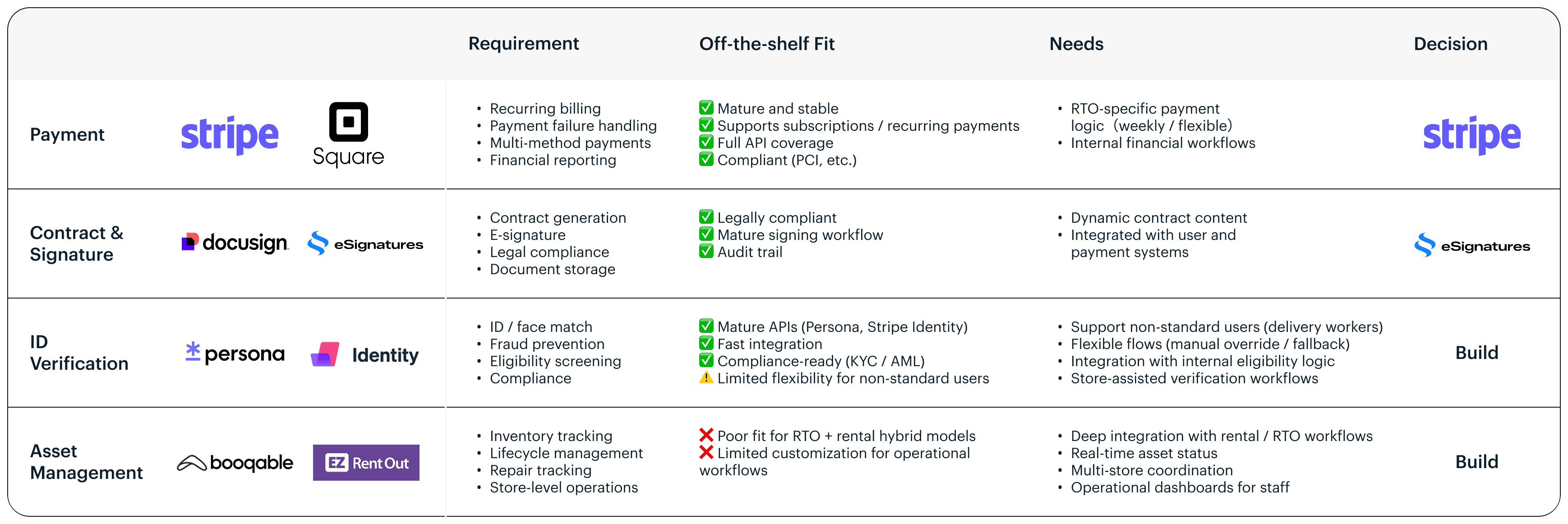
Research 3: Vendor Research
Determining whether to buy or build for each part.
Phase 2 - Define
Personas
Three key personas

Rent-To-Own Customer
Age: 29 | Delivery Courier
" I can't afford a full upfront purchase but needs immediate access to a reliable bike. "
• Complete onboarding as quickly as possible.
• Understand total payment and ownership timeline
• Track payment status clearly

Flex Rental Customer
Age: 23 | Graduate Student
" E-bikes would make getting to the beach with friends this weekend much easier. "
• Pick-up / Drop-off easily
• Avoid hidden fees
• Get a bike immediately without large upfront cost• Understand total payment and ownership timeline• Track payment status clearly

Store Staff
Age: 32 | FLYE Store Staff
" I hope the rental process is simple, since I have many retail and repair customers to handle "
• Saving time on contract preparation and answering customer inquiries.
• Sync inventory, orders, and related information smoothly.
• Avoid mistakes in payment or contract records
Rent-To-Own User Journey

Flex Rental User Journey

Problems

Problem 1
Excessive Manual Data Entry
Manual data entry is time-consuming and error-prone — especially for Rent-To-Own contracts, where staff must enter customer and order information separately into both the contract and the backend system.
Problem 2
Information Overload
The website already contains all the information customers need, but since it's presented all at once without stage-by-stage guidance, customers still frequently ask staff questions that are already on the site.
Problem 3
Inventory Coordination
Running retail and rental in parallel means a larger vehicle selection, with a complex bike lifecycle to manage. Depreciation data was tracked manually, and group rentals make inventory coordination even harder.
Problem 4
Lack of Self-Service Path
All payments go through staff via POS. Installment payments for RTO frequently run into issues, requiring customer service to constantly follow up and resolve.
Rebranding
Correct the Positioning to lay the Digital Transformation Foundation
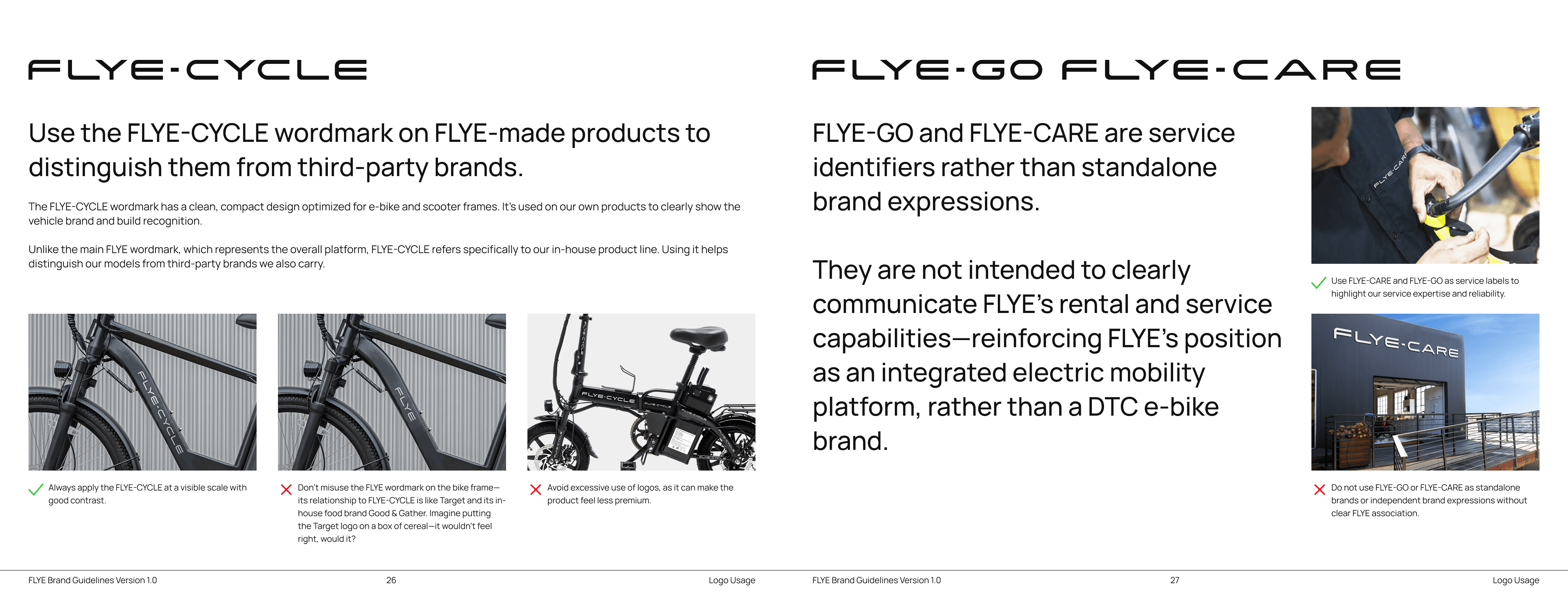
1. Match the Logo System with the Business Model
Before
Appears as a low-end DTC brand
✖
Failed to reflect the brand's full service-driven DNA
✖
One Logo for Everything: Blurring accountability for third-party product
✖
The brand name “Fly E-Bike” could not be trademarked
✖
Inconsistent logo & wordmark usage

After
A full-service urban e-mobility platform
✔
Clear brand architecture separating products, services and platforms
✔
Preserved brand recognition while evolving the identity
✔
Consistent visual identity across all touchpoints
✔
Available for trademark

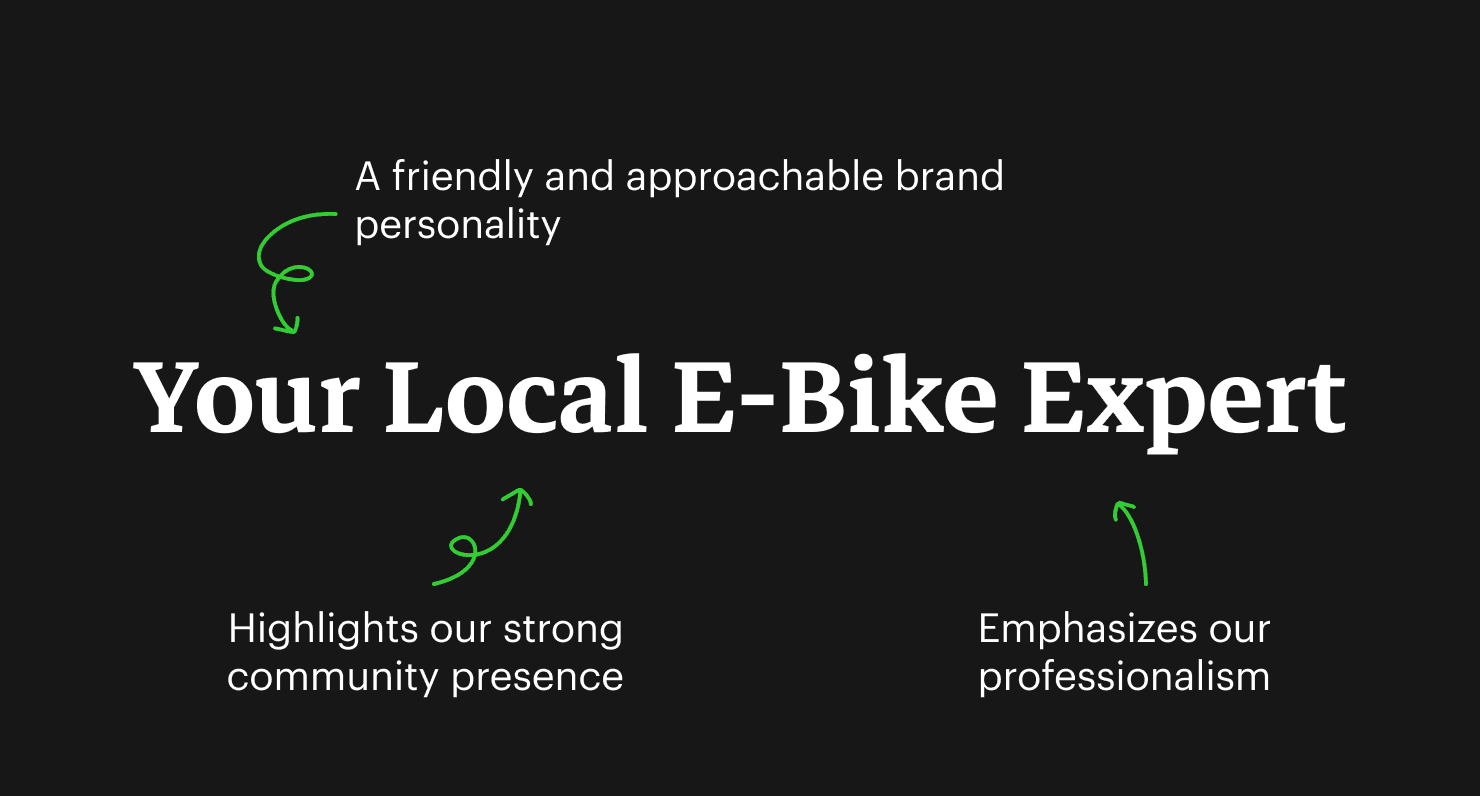
2. Reinforce the Brand Value through a new Slogan
Before

✖
This is not real us

What differentiate us from other e-mobility brands and why our our customer love us:
✔
Professional Services
✔
Friendly staff
✔
Extensive store network
After
✔
This is us!

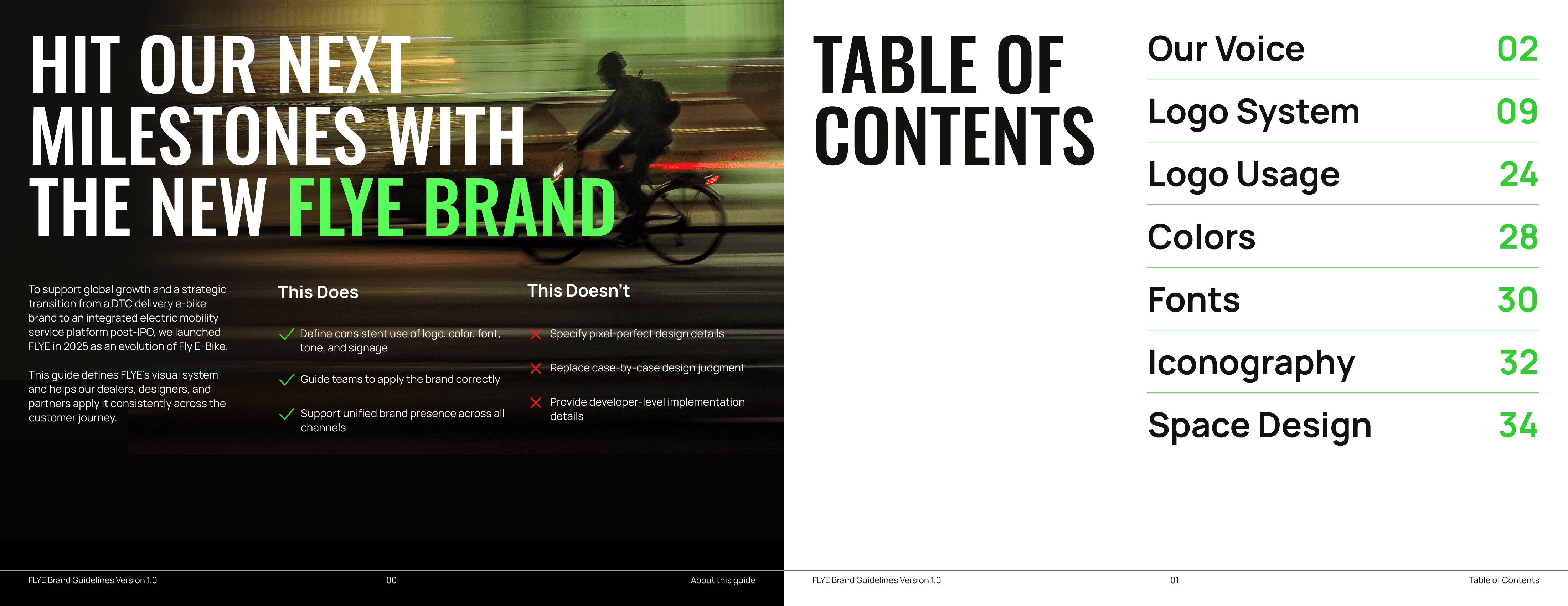
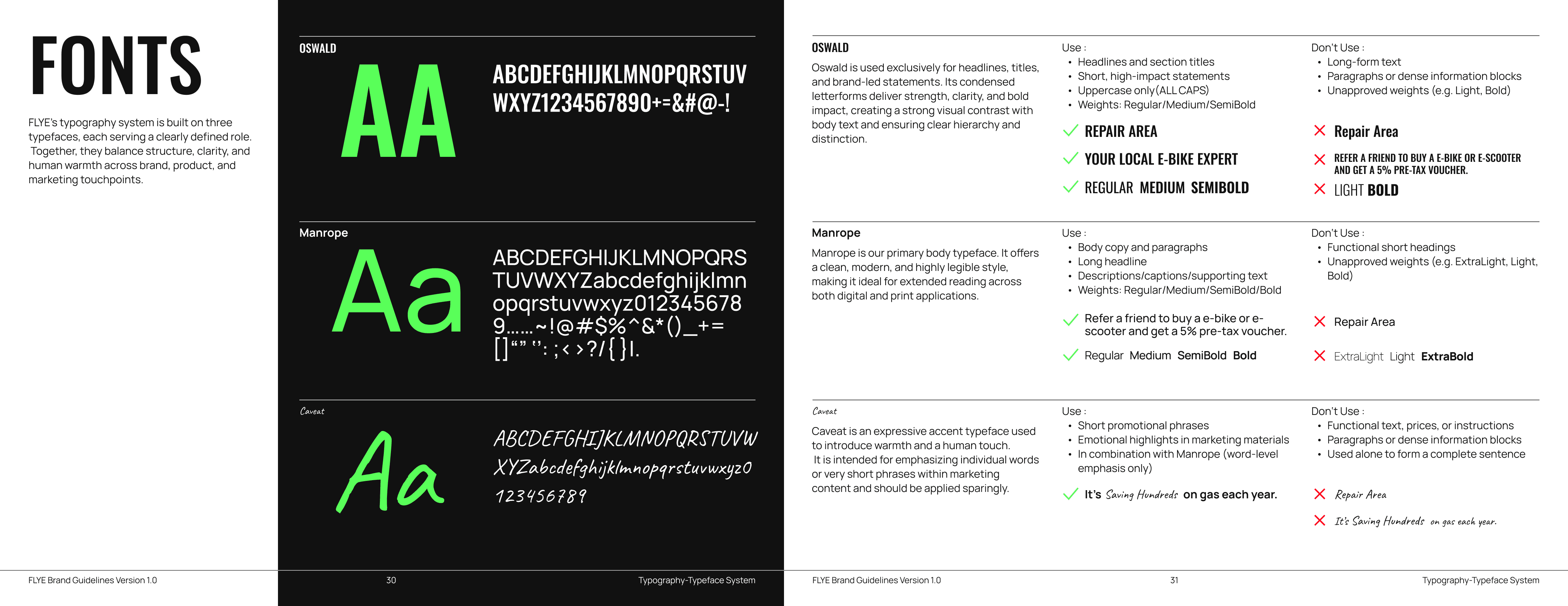
Author a brand book to ensure brand consistency across digital and physical touchpoints.






Phase 3 - Develop
Process Artifacts
Aligned with stakeholders through different deliverables to clarify and validate requirements.

Iterations
Mobile App: Iteration as Validation & Refinement before development
Iteration Criterion 1
Can users complete critical tasks independently without external guidance?
Example 1: [ "Ready for pickup" status page for the RTO order ]
Goals:
• Guide customers to pick up their e-bike at the store.
• Consolidate essential order details into an easy-to-scan view.

Example 2: [ Rent-to-Own Plan Card ]
Goals:
• Make pricing and plan duration transparent at a glance to help users compare different plans.
• Introduce a clear CTA to guide users toward placing an order.

Example 3: [ Order Created Successfully Popup ]
Goals:
• Clearly confirm that the order has been successfully created.
• Guide users smoothly into the post-order flow.

Iteration Criterion 2
Can the same outcome be achieved through simpler, more maintainable way?
Example: [ Rent-to-Own Plan Detail Page ]
Goal:
Provide users with all plan-related information—including pricing, payments, items, specifications, and warranty details.

Iteration Criterion 3
Are flows for edge cases clear?
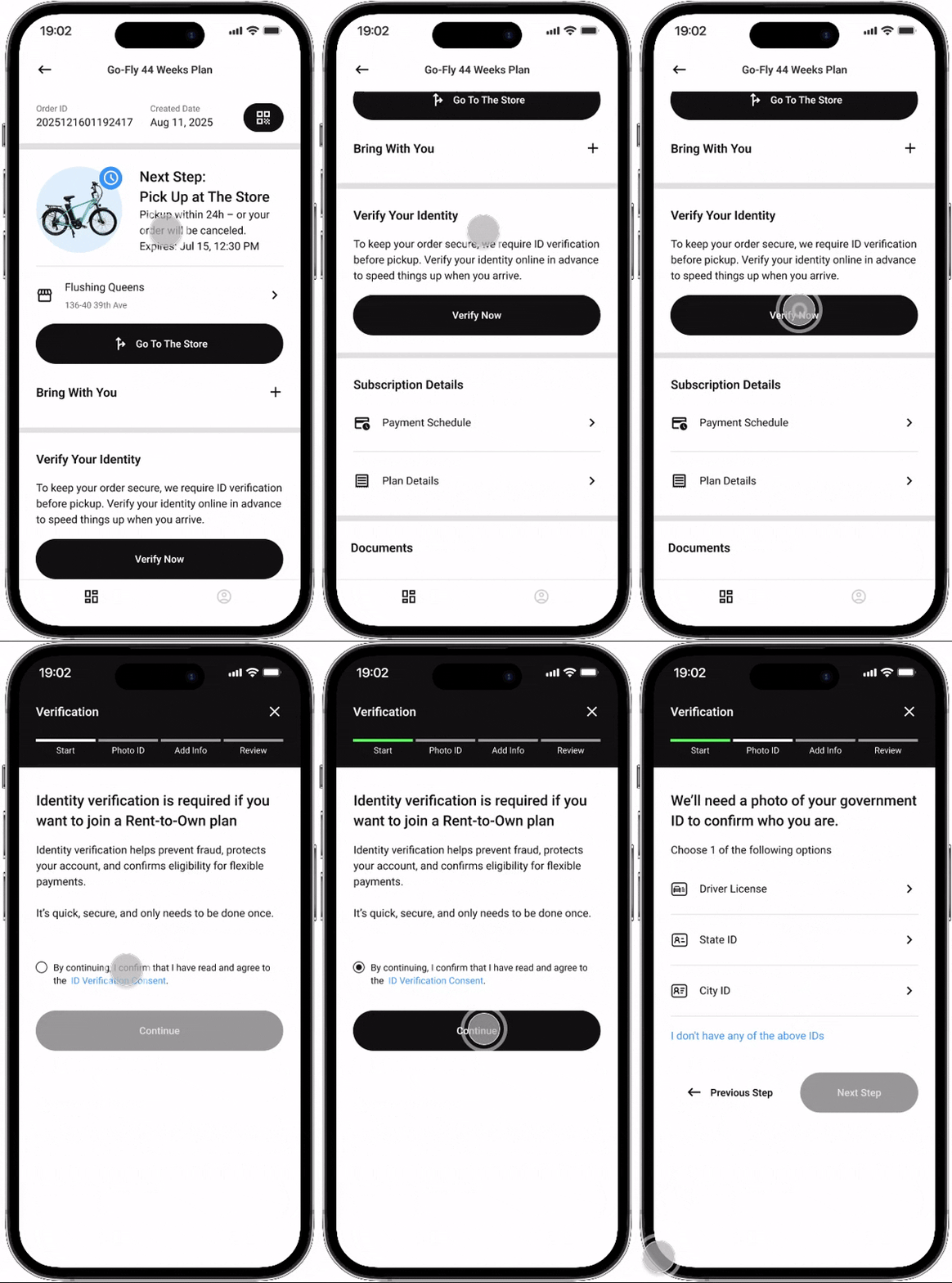
Example: [ Upload Photo ID for Verification ]
Goal:
Guide all users complete the photo ID upload step in the identity verification process.

Iteration Criterion 4
Does the design account for technical constraints?
Example: [ Verification Progress Bar ]
Goal:
Provide users with a clear sense of progress and current step in the verification process, while making upcoming steps visible and easy to understand.

Iteration Criterion 5
Does the design scale across locations, users, and future use cases?
Example: [ Display of Time Format ]
Goal:
Present time and date information clearly.

Phase 4 - Deliver
Rent-To-Own
Customer Discovery & Selection
Enter the RTO Section

Check the plan list

Choose a RTO Plan

Rent Now (Logged in)

Rent Now (Not logged in)

Submit ID Verification Info
Start
Upload Photo ID

Add Info

Submit for Review

In-Store Redemption
Locate Order

Verify the User ID

Generate the Contract

Send the Contract

Customer Payment

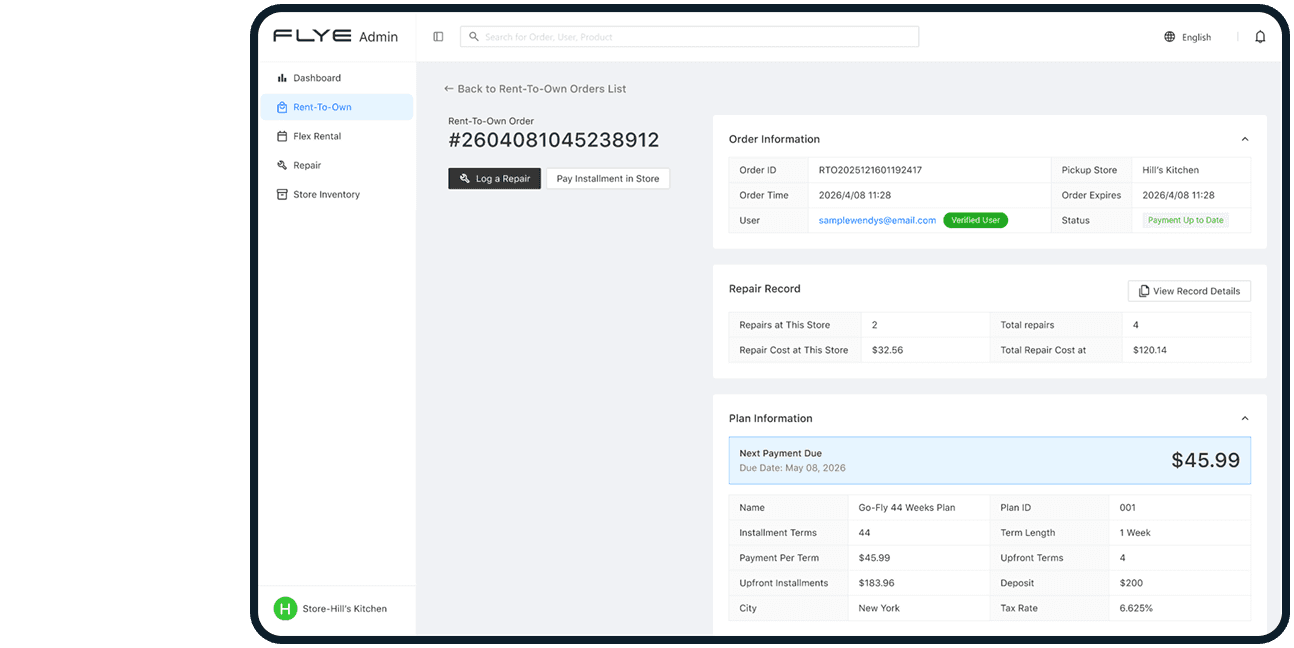
Log a repair
Order Tracking
Follow the Progress

Overdue Payment

Cancel

Completed

Flex Renal
Customer Discovery & Selection
Enter the Flex Section

Input the booking info

Choose the e-bikes

Book

Customer Discovery & Selection
Ready for Pickup

In Use

Additional late payment

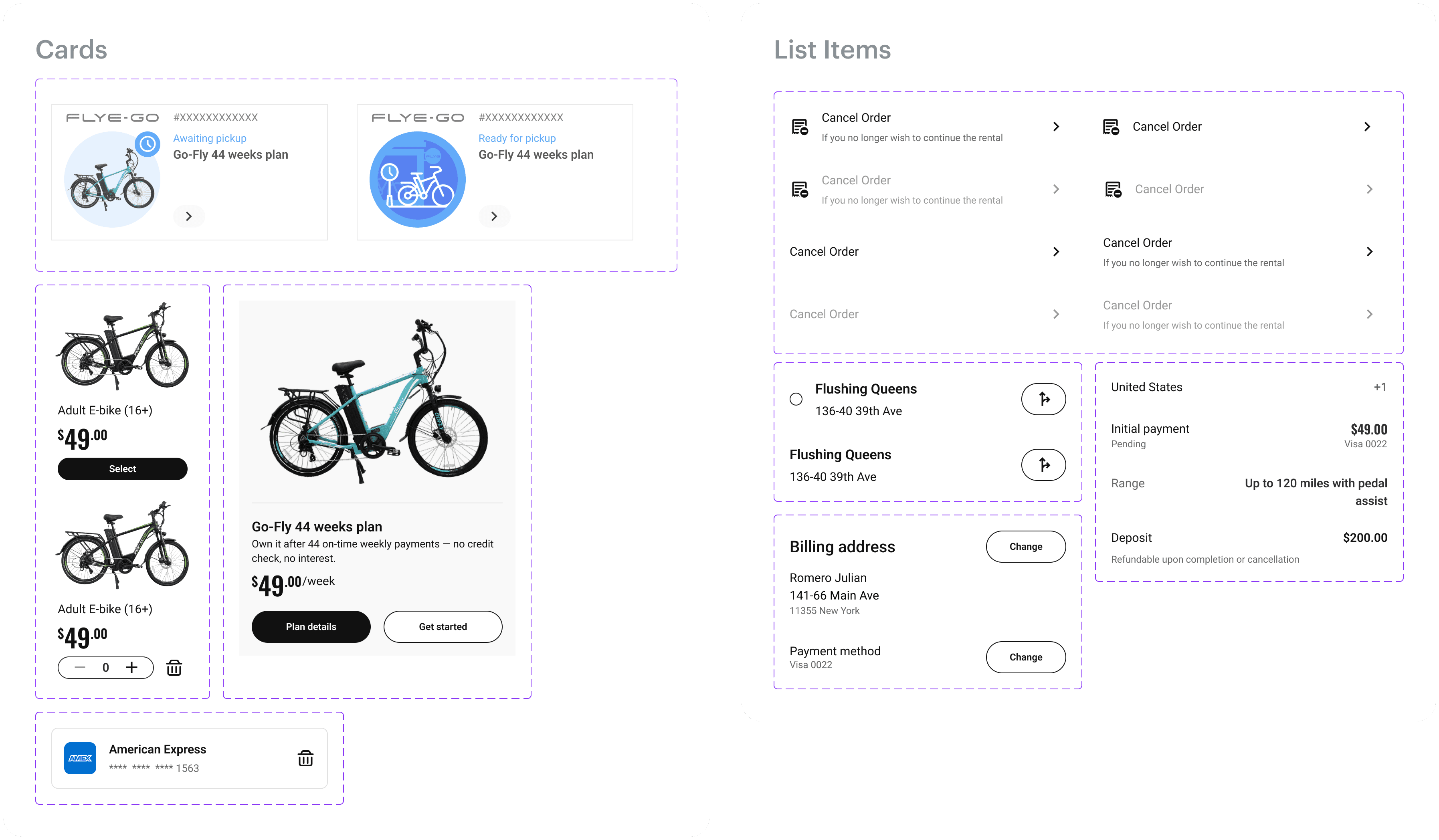
Design System
Foundations

Components

Patterns
Learnings
What I Learned from Addressing These Challenges
Navigate Ambiguity
• Break things down into steps and tackle them step by step.
• Get something out quickly to trigger feedback.
• Strategic focus > Perfectionism
Driving alignment in environments without design culture
• Frame design as a business tool, that's what earns buy-in.
• Visual artifacts drive stronger buy-in than text alone
• Be confident as the design decision-maker. Hesitation shifts the burden onto others and makes it harder to earn trust.
What I Would Do Differently
Advocating for adequate resources early
I took on responsibilities as a design lead role early than I expected in this project. So I underestimated the scope as it came. In addition to leading this project, I was also handling marketing, brand, and other design tasks across the company. I had to work overtime every day to keep up with the workload.
Looking back, I would have communicated the project scope earlier and advocated for additional design resources. This experience taught me to assess challenges honestly and communicate them early.
Build the design system early
I held off on building the design system until after the second version of lo-fi prototype — which meant dealing with inconsistent components and a lot of cleanup later. Starting it earlier would have saved time and kept things more consistent, without getting in the way of creative exploration.